Product directions
Unbranded packaging concept: Hair masks
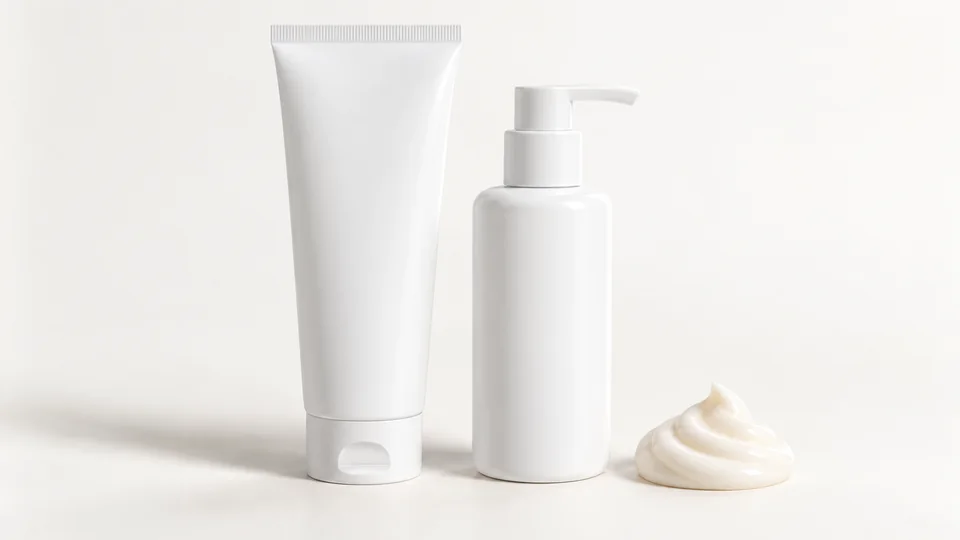
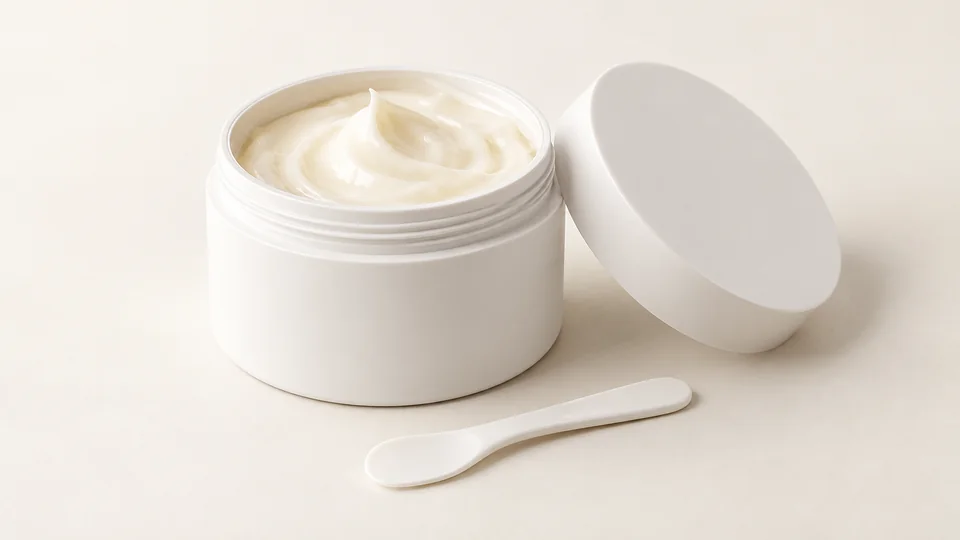
AI-generated white-label packaging concept. Final pack and appearance follow sample approval. View 4K upscaled image

Intensive leave-in and deep-conditioning hair mask manufacturer

Custom OEM / ODM · Hair masks

The platform focuses on measurable conditioning, combing and breakage outcomes. Formula architecture, pack and use instructions differ between leave-in and rinse-off formats.

MOQ & quotation
Confirmed for the selected formula, fill size, packaging and order plan.
Samples & production
Timing is confirmed after formula scope, packaging availability and required tests are reviewed.
Your brand
Original label and packaging design, with product wording reviewed for the destination market.

Formula, format & packaging options

Published reference values describe the cited ingredient or study. They are not test results for a FANGKE finished formula. Project options are selections to review in your development brief.

Intensive leave-in conditioning mask

Concentrated leave-in cream with cationic conditioning, humectant and controlled emollient deposition for measurable softness and manageability.

Product format
Rich leave-in cream, 50–150 mL
Packaging route
50–100 mL airless pump or 100–150 mL treatment tube
Intensive leave-in conditioning mask Specifications
ParameterDevelopment detailBasis
Product formatRich leave-in cream, 50–150 mLProject option
Pack configuration50–100 mL airless pump or 100–150 mL treatment tubeProject option
Development routeLow-dose cationic system for leave-on use; screen pH 4.0–5.0 and application dose by hair lengthProject option
Supplier conditioner pH contextAcidic range about pH 3.5–5.0Published reference[2]
Supplier conditioning-grade range0.5–3% for a selected repair-positioned gradePublished reference[1]

Checks for the selected formula

  • Determine safe leave-on cationic load through HRIPT/patch strategy and scalp-contact assessment as applicable.
  • Measure combing, breakage, residue and weight-down after one and repeated applications.

Destination-market notes

Use intensive conditioning, softness and manageability language supported by product-specific evidence. Avoid permanent structural-change claims and patented-mechanism comparisons.
Deep-conditioning rinse-off hair mask

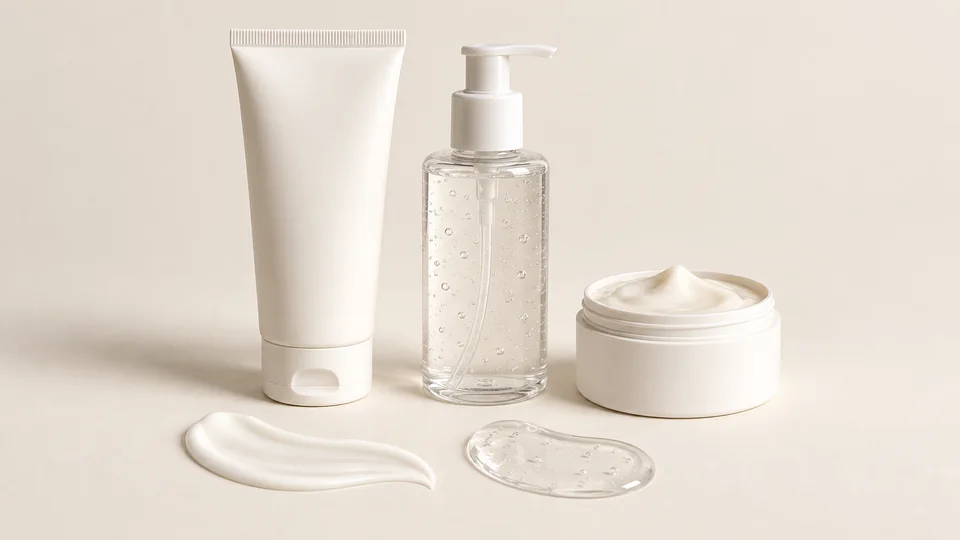
Rich cationic lamellar emulsion with fatty alcohols, emollients and optional protein/amino-acid support for damaged-feeling hair.

Product format
Rich rinse-off mask, 200–500 mL
Packaging route
200–300 mL wide-mouth jar or 250–500 mL high-output pump
Deep-conditioning rinse-off hair mask Specifications
ParameterDevelopment detailBasis
Product formatRich rinse-off mask, 200–500 mLProject option
Pack configuration200–300 mL wide-mouth jar or 250–500 mL high-output pumpProject option
Development routeHigh-conditioning lamellar emulsion; screen pH 3.8–4.8 and 3–10 minute rinse protocolProject option
Supplier hydration/conditioning range0.5–5% depending on the selected documented gradePublished reference[1]
Supplier conditioner pH rangeAbout pH 3.5–5.0Published reference[2]

Checks for the selected formula

  • Test wet/dry combing, repeated-combing breakage, rinse feel and residue on bleached and untreated tresses.
  • Confirm jar/pump compatibility, high-temperature viscosity and preservative efficacy after consumer-use simulation.

Destination-market notes

A core salon and damage-care format. Protein-free, silicone-free or color-care versions require separate ingredient definitions and performance comparison.

Project questions

Are the reference percentages the final Fangke formula?

No. A source-reference value comes from the linked supplier, regulator or study. Fangke's project formula, raw-material grade, dosage, MOQ and lead time are confirmed only after the brief, market and test plan are reviewed.

What is checked before a haircare sample is approved?

The test plan is matched to the format and pack. It normally covers appearance, odor, pH where applicable, viscosity or spray pattern, stability, pack compatibility and microbiological protection; performance claims need separate substantiation.

Technical references & source scope

These references support ingredient selection, formulation questions and market review. A quoted study, supplier test or regulatory limit does not establish finished-product efficacy or approval.

  1. Genadvance Hair Conditioning Ingredients Clariant

    Supplier use-level references for conditioning ingredient grades: Repair 0.5–3%, SPA 1–5% and Hydra 0.5–5%. These ranges are raw-material guidance, not finished-product specifications or Fangke commitments.

  2. The art and science of hair conditioner formulation SEPPIC

    Supplier education notes an acidic pH of about 3.5–5.0 as a common conditioner-development range. Final pH depends on the selected cationic system, preservative, claims and market; it is not a Fangke formula specification.

Content reviewed:

Send a product brief

Include your destination country, quantity, preferred option, fill size and packaging. We will review the formula route and quotation inputs.