Product directions
Unbranded packaging concept: Conditioners and smoothing
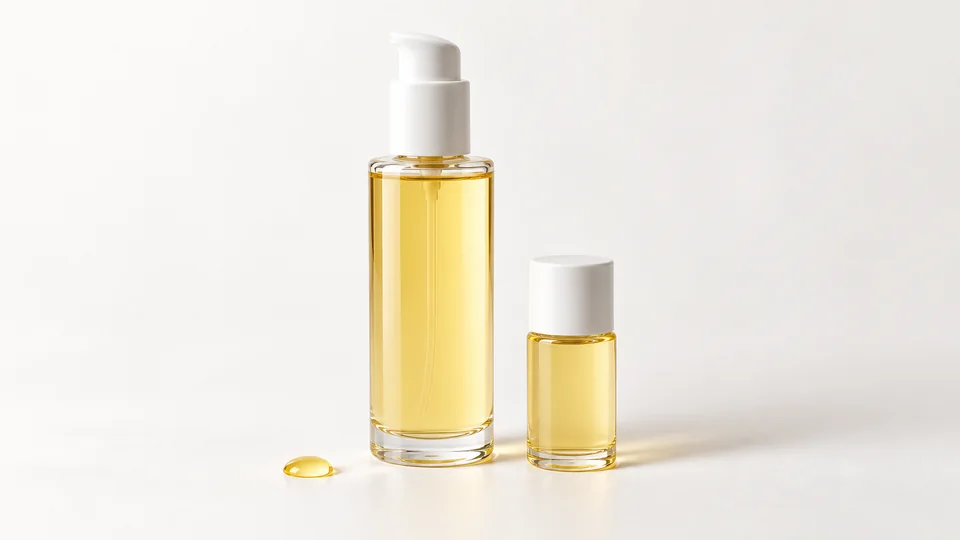
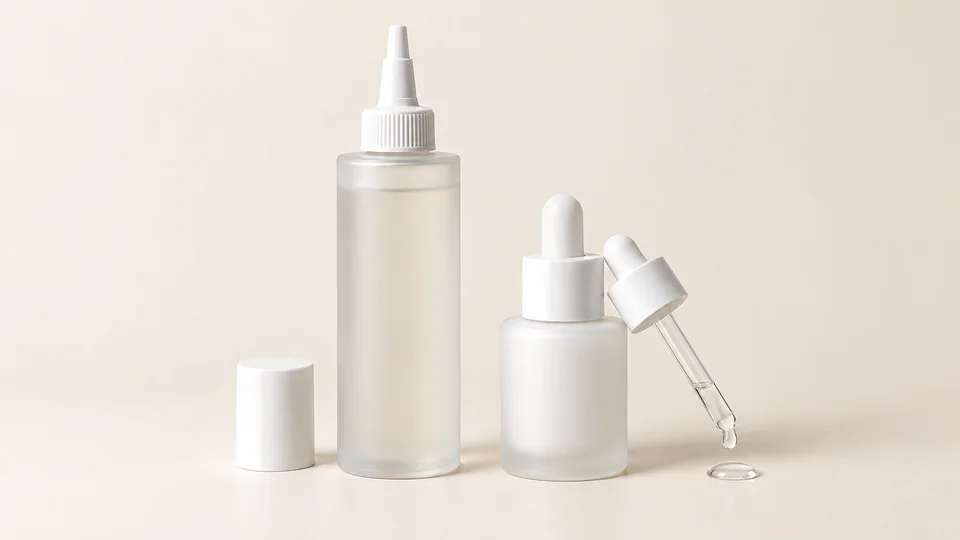
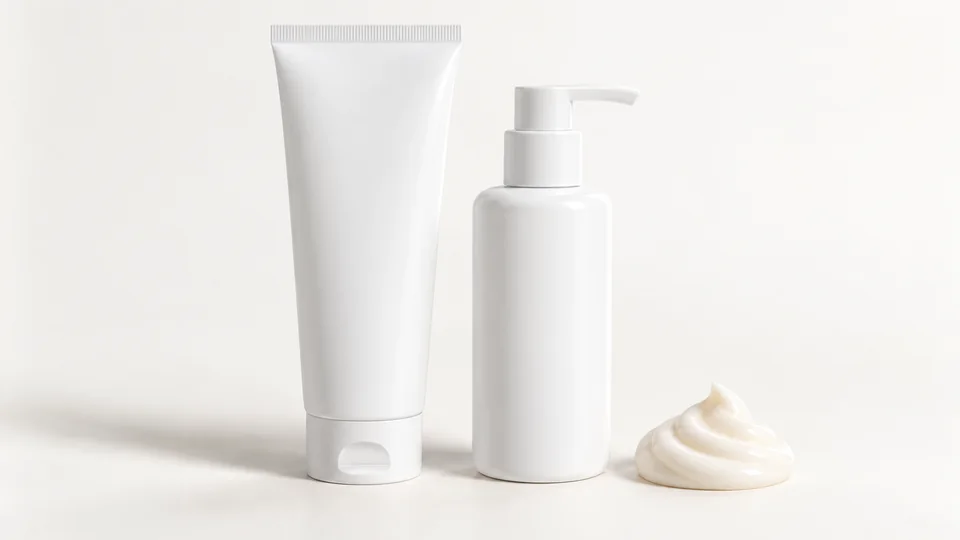
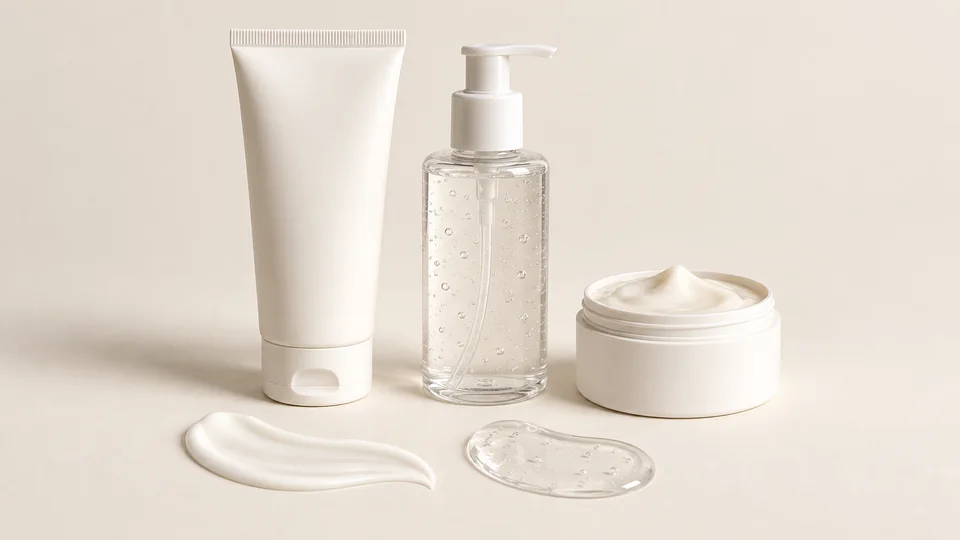
AI-generated white-label packaging concept. Final pack and appearance follow sample approval. View 4K upscaled image

Leave-in, smoothing serum and rinse-off conditioner OEM

Custom OEM / ODM · Conditioners and smoothing

The three formats share a conditioning platform but need different deposition, viscosity and residue targets. Each is kept as a distinct variant for quotation and testing.

MOQ & quotation
Confirmed for the selected formula, fill size, packaging and order plan.
Samples & production
Timing is confirmed after formula scope, packaging availability and required tests are reviewed.
Your brand
Original label and packaging design, with product wording reviewed for the destination market.

Formula, format & packaging options

Published reference values describe the cited ingredient or study. They are not test results for a FANGKE finished formula. Project options are selections to review in your development brief.

Light leave-in conditioner

Low-viscosity cationic-compatible milk with humectant, light ester and optional hydrolyzed protein; protein-free routes can be reviewed.

Product format
Fluid leave-in milk, 100–200 mL
Packaging route
Lotion pump or squeeze tube with 2–4 mm orifice
Light leave-in conditioner Specifications
ParameterDevelopment detailBasis
Product formatFluid leave-in milk, 100–200 mLProject option
Pack configurationLotion pump or squeeze tube with 2–4 mm orificeProject option
Development routeLow-deposition conditioning system; screen pH 4.0–5.0 and fine-hair versus textured-hair loadsProject option
Supplier conditioner pH contextAcidic development range about pH 3.5–5.0Published reference[3]
Supplier conditioning-grade range0.5–5% depending on selected gradePublished reference[2]

Checks for the selected formula

  • Measure wet-comb force, dry-comb force and weight-down on fine and textured tresses.
  • Verify emulsion stability, preservation and repeated-dose pump output through shelf-life conditions.

Destination-market notes

Suitable for detangling and daily moisture positioning. Claims should distinguish sensory conditioning from repair of damaged fibre structure.
Anti-frizz smoothing serum

Light emulsion-serum or anhydrous ester serum with controlled slip; volatile and non-volatile silicone options are reviewed by market brief.

Product format
Clear oil-serum or milky serum, 30–100 mL
Packaging route
30–50 mL treatment pump or 50–100 mL lockable pump
Anti-frizz smoothing serum Specifications
ParameterDevelopment detailBasis
Product formatClear oil-serum or milky serum, 30–100 mLProject option
Pack configuration30–50 mL treatment pump or 50–100 mL lockable pumpProject option
Development routeLight ester/silicone blend or silicone-free ester route; target 1–3 pump doses per useProject option
Supplier silicone-dispersion reference1–6% for a selected conditioning dispersionPublished reference[1]

Checks for the selected formula

  • Run high-humidity frizz imaging and gloss/combability comparison against the approved benchmark.
  • Check pump priming, leakage, fragrance oxidation and compatibility with colored hair tresses.

Destination-market notes

Frizz-control language needs humidity and tress evidence. Avoid universal 24-hour or heat-protection numbers until the exact formula is tested.

Strengthening rinse-off conditioner

Cationic lamellar conditioner with fatty alcohols and optional protein or amino-acid support, described as conditioning and reduced breakage appearance rather than bond rebuilding.

Product format
Medium-rich rinse-off cream, 250–500 mL
Packaging route
250–300 mL squeeze bottle/tube or 500 mL pump
Strengthening rinse-off conditioner Specifications
ParameterDevelopment detailBasis
Product formatMedium-rich rinse-off cream, 250–500 mLProject option
Pack configuration250–300 mL squeeze bottle/tube or 500 mL pumpProject option
Development routeCationic conditioner plus fatty-alcohol lamellar network; screen pH 3.8–4.8Project option
Supplier pH referenceConditioner development commonly uses pH 3.5–5.0Published reference[3]
Supplier repair-grade reference0.5–3% for one selected conditioning gradePublished reference[2]

Checks for the selected formula

  • Measure wet combing, repeated-combing breakage and sensory residue versus a signed-off control.
  • Confirm viscosity recovery, rinse profile and pack dispensing after heat/cold and freeze-thaw cycling.

Destination-market notes

A practical salon, color-care or damage-care SKU. Any reduced-breakage percentage requires a defined combing protocol and statistical report.

Project questions

Are the reference percentages the final Fangke formula?

No. A source-reference value comes from the linked supplier, regulator or study. Fangke's project formula, raw-material grade, dosage, MOQ and lead time are confirmed only after the brief, market and test plan are reviewed.

What is checked before a haircare sample is approved?

The test plan is matched to the format and pack. It normally covers appearance, odor, pH where applicable, viscosity or spray pattern, stability, pack compatibility and microbiological protection; performance claims need separate substantiation.

Technical references & source scope

These references support ingredient selection, formulation questions and market review. A quoted study, supplier test or regulatory limit does not establish finished-product efficacy or approval.

  1. Hair Cleansing and Conditioning Solutions Dow

    Supplier starting ranges for selected conditioning polymers and silicone dispersions. Grade identity, local status and final use level require the current TDS, COA and formula testing; this is not Fangke production evidence.

  2. Genadvance Hair Conditioning Ingredients Clariant

    Supplier use-level references for conditioning ingredient grades: Repair 0.5–3%, SPA 1–5% and Hydra 0.5–5%. These ranges are raw-material guidance, not finished-product specifications or Fangke commitments.

  3. The art and science of hair conditioner formulation SEPPIC

    Supplier education notes an acidic pH of about 3.5–5.0 as a common conditioner-development range. Final pH depends on the selected cationic system, preservative, claims and market; it is not a Fangke formula specification.

Content reviewed:

Send a product brief

Include your destination country, quantity, preferred option, fill size and packaging. We will review the formula route and quotation inputs.